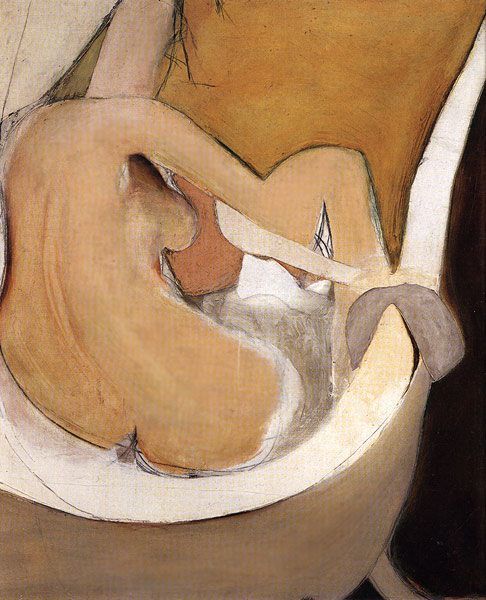
How Bathing Can Support Hormonal Balance
How Bathing Can Support Hormonal Balance

Bathing offers a moment of pause within the rhythm of the day. Beyond its sensory qualities, warm water immersion may support several biological processes linked to hormonal balance. Through its influence on temperature regulation, nervous system activity and daily rhythms, bathing can help create the conditions the body needs to regulate its internal cycles.
Hormones operate on natural cycles that follow the body’s circadian rhythm which is the internal clock that governs sleep, wakefulness and metabolic activity. Light exposure, temperature and routine all influence this system.
Taking a bath in the evening can support this rhythm with warm water gently raising the body’s temperature, and then gradually cooling that signals the brain to prepare for rest. This process may assist the body’s transition into nighttime hormonal patterns, including the release of melatonin and other sleep-associated hormones.
Hormones involved in metabolism are closely tied to the body’s ability to regulate temperature. Immersion in warm water allows the body to experience controlled thermal exposure, which can encourage subtle thermoregulatory responses. These temperature shifts help reinforce the body’s natural feedback systems that influence metabolic hormones and energy regulation. While modest, these responses contribute to the broader stability of endocrine function over time.
The endocrine system responds strongly to patterns. Regular behaviours like consistent sleep, predictable daily rhythms and restorative rituals all support hormonal stability.
Bathing can act as one of these regulating signals. Repeating the practice at similar times each day helps establish a rhythm the body can anticipate. Over time, these cues may assist the body in aligning hormonal activity with periods of activity and rest.
Hormones are closely connected to sensory and emotional environments. Quiet, warm environments with reduced stimulation can influence how the body processes signals related to comfort and safety.
The contained space of a bath — warm water, slowed breathing and a reduction in external stimuli — creates an environment that allows the body to downshift from the demands of the day. In doing so, it supports the delicate communication between the brain and endocrine system that regulates hormonal rhythms.
Hormonal balance is supported by small, consistent practices that help the body maintain equilibrium.
Bathing offers a simple way to mark the transition between activity and rest. In this sense, the bath becomes more than a physical experience, it becomes a daily cue that allows the body to reset, recalibrate and return to its natural cycles.
TEMPERATURE
Between 97° F /105° F—36° C/40° C
BATHING COMPANION
Ebon Veil Bath Milk & a Natural Sea Sponge
BREATHWORK
Practice 4-7-8 breathing. Inhale for 4 seconds, hold for 7, exhale for 8.
MOOD
Centred
CREDITS
'Night Swimming', Hughie O'Donoghue.
REFERENCES
https://pubmed.ncbi.nlm.nih.gov/31102877/
https://pmc.ncbi.nlm.nih.gov/articles/PMC4049052/
https://www.sciencedirect.com/science/article/abs/pii/S1087079218301552?via%3Dihub